
Contents
Criminologists Cynthia Lum and Daniel Nagin argue that, as a foundational principle, policymakers should reorient policing toward crime prevention rather than arrest maximization. One way to do that would be to curb the use of pretextual stops, which could reduce community-police tension and, therefore, reduce the opportunities for unnecessary tragedies that claim the lives of people like Philando Castile. Another option is to end the policing for profit motive by decoupling asset forfeiture proceeds from law enforcement agency coffers. And finally, law enforcement resources should be pulled away from fighting the unwinnable Drug War and redirected toward general public safety. Through theEU Drugs Strategy, the EU coordinates evidence-based, balanced and integrated measures with EU countries and speaks with one voice internationally. Law enforcement action against drug trafficking is coordinated throughEMPACT.
- Up to one-third of people report drinking problems after a traumatic event or accident, per the U.S.
- And sometimes the reason for the contact is an officer’s legally baseless hunch and a minor violation of a traffic law—like a burned out taillight—that escalates into an unnecessary tragedy.
- A key component of this stipulation was that stop and frisks did not involve police force, such as handcuffs or guns.
- A total of four studies reported mixed effect in their findings (Caputi and McLellan, 2017, Theriot et al., 2016, Bavarian et al., 2015, Theriot et al., 2009).
- The EU also engages in discussions at multilateral level, in particular through strategic cooperation with the United Nations Office on Drugs and Crime and participation in UN policy processes and bodies, such as in the Commission on Narcotic Drugs.
Such measures can help address the challenging developments within European drug markets. These are characterised by a high availability of various types of drugs, ever larger seizures, the increasing use of violence and huge profits, as well as the use of social media platforms, apps, the internet and the darknet for illicit drug trafficking. In the pursuit of drugs, police have been given unchecked power to use aggressive tactics, which in too many instances has led to killings, particularly of Black and Latinx people. Police have purchased expensive surveillance technologies and military equipment, been tasked with patrolling more spaces such as schools, and been empowered to permanently take property from people with only a suspicion of drug-related conduct. Law enforcement agencies consume vast amounts of government funds, and their bloated budgets have long been justified by statistics padded by drug arrests.
What are you searching for ?
It involved deploying undercover agents into parts of the city known locally as drug dealing hotspots. These agents were unknown to local police and created opportunities for crimes to be committed by offering to exchange designer items for drugs. As a result of these stop and frisks “for nothing,” many participants – particularly non-using men and injectors – felt insecure whenever they were in the streets and public spaces of their neighborhood.
There is a general indication in the literature that suggests law enforcement can potentially play an important role in the field of school-based prevention . However, such an effective role has not been scientifically substantiated to be reflected in the UNODC/WHO International Standards on Drug Use Prevention . Moreover, according to our knowledge there is a gap in guiding the effectiveness of the role of SROs to strategically prevent substance use, crime or violence which is important for the health promotion of the youth.
The survey data used for the study was drawn from Adolescent Substance Abuse Prevention Study , which was a randomized experimental design that made use of DARE officers as instructors. All the students included in the study reported that they had participated in some form of drug education programme when they were in the 9th grade. The results of the study showed that students evaluated police instructors more positively than non-police instructors. Overall, the collaboration between law enforcement agencies and school-based substance use prevention programs continue to be frequently implemented.
This comes in addition to other alcohol-related consequences, including health problems and strained relationships. Working a string of 12-hour shifts can cause fatigue and reduce critical thinking skills. Fatigue is responsible for numerous health problems, including anxiety and depression. Numerous factors contribute to stress, which is conducive to substance abuse.
The EU and its member states have taken strategic and operational measures to address the security and health implications of drug trafficking and drug use. Governments must create or strengthen the powers of police oversight boards and empower them to hold officers accountable for abusive practices, including incidents involving unnecessary use of force. Officers have been trained to treat civilians as threats, use disproportionate force, shoot-to-kill, and alcohol and drug abuse counseling use dangerous techniques such as choke-holds. Vast numbers of civilians experiencing a mental health crisis or intoxication have been killed by police who may have had little to no training in de-escalation or behavioral crisis intervention. Police officers in riot gear at a protest against police violence in Portland, Oregon following the killing of George Floyd. Our recovery programs are based on decades of research to deliver treatment that really works.
The UNODC, WHO and UNESCO guidelines state prevention of substance use can benefit from an inter-disciplinary support. The strong involvement of the health and education ministries is key but also welcomes the close collaborations among other relevant ministries including the law enforcement agencies. Within the education sector, there are a range of actors and systems that constitute a rich education sector response .
Prescription Drugs
We achieve our goals by collaborating with educators, community leaders, families and L.E.A.D. support organizations. In terms of preventing the diversion of precursors that could be used in the manufacturing of drugs, cooperation between the EU and other regions or countries has a significant role to play . Since 2005 a system is in place to detect new substances on the market and a mechanism to assess their risks and put those substances which are harmful under control across the EU. Based on a risk assessment made by the EMCDDA, the Commission presents a proposal toban harmful new psychoactive substances. The Strategy is structured around three policy areas that will contribute to achieving its aim, and three cross-cutting themes in support of the policy areas. The EU also engages in discussions at multilateral level, in particular through strategic cooperation with the United Nations Office on Drugs and Crime and participation in UN policy processes and bodies, such as in the Commission on Narcotic Drugs.
What happens if you get caught with drugs at the border?
Sentences for smuggling charges can range from 26 to 43 years, with sentences based on a points system depending on the item smuggled, criminal history, and if anyone was injured.
We create safer, healthier communities free of drugs, bullying and violence. Justice and Home Affairs EU agencies such as theEMCDDA andEuropol play a what to expect when you give up alcohol central role in the drugs field in the EU and internationally. The production, trafficking and the use of illicit drugs do not stop at the borders.
EU financial programmes for drug-related projects
The Baltimore Police Department and the Los Angeles Police Department developed similar programs to help their employees avoid substance abuse. A study published in Occupational and Environmental Medicine found that moderate sleep deprivation can affect performance as much as excessive alcohol consumption. Similar to the effects of alcohol, sober curious brands to check out if you quit drinking fatigue can impair speech, hand-eye coordination and reaction times. A study published in the Journal of Occupational and Environmental Medicine asked 105 officers aged 50 or older to rate critical incidents based on the amount of distress they cause. The transition back to life outside of rehab is fraught with the potential for relapse.
Can airports detect drugs?
Technically, airport security scanners do not detect drugs but they can provide visual clues of drugs hidden under the clothes and in baggage. Even if the scanners cannot determine the exact composition, they can tell if an object is organic or metallic or how low or high density an object have.
However, the incorporation of law enforcement officers in school-based substance use prevention is an ecological layer of the community. This has not been widely researched, despite its frequent report of use globally. Hammond et al. conducted a meta-analysis study that was targeted at exploring the attitude of students to L.E.O. The function of L.E.O. was as instructors, including a school-based substance abuse prevention programme. The study made use of data survey from 6069 adolescent students from public schools in six metropolitan areas across USA.
2. The Scope of the Guiding Document and Steering Committee Criteria
Standard treatment programs that provide counseling and psychological support need to be expanded, but they are not enough. Harm reduction initiatives allow people addicted to drugs to stabilize their lives and gain control over their recovery. INL leads the Department of State’s efforts to combat transnational organized crime.
As aggressive policing of drugs leads to more arrests, police leaders call for increased hiring of officers, more overtime pay, more equipment, and more advanced technologies. Entire industries have emerged to develop software and technologies for policing. Many communities now devote 20 to 45% of general funds to police at the expense of resources that contribute to community health, safety, and education. During the first meeting, the technical working group will be asked to identify a main author for the guiding document, ideally it will be someone with a long-term experience in guiding document development.
Research by Charles Epp and others at the University of Kansas shows that support for police declines when individuals and the people they know have negative police experiences, particularly through investigatory stops. Before a police shooting makes headlines, before the shooting ever happens, there is the moment of contact between the police officer and the eventual victim. Sometimes the officer is responding to a dangerous situation, like a report of a man with a gun. Other times, the contact is initiated by the officer because of excessive speeding or reckless driving that poses a risk to other drivers. And sometimes the reason for the contact is an officer’s legally baseless hunch and a minor violation of a traffic law—like a burned out taillight—that escalates into an unnecessary tragedy.
They reported that this intervention did increase the positive attitude of the students towards; however, the presence of L.E.O. was also reported to reduce the students’ connectedness to school. Teachers are engaged in and drive the development of a healthy school environment during the different grade levels and age groups of the students. During early school years, the main interventions involve classroom management or personal and social skills education programs. Community policing calls for comprehensive approaches to the problems of drug abuse and drug-related crime. Trafficking and abusing illicit drugs destroy neighborhoods, contribute to violence and victimization, and often ruin the lives of drug users and their families.
We must strengthen systems of police accountability, prioritize budgets to make communities safer without police involvement, and repeal laws that allow for oppressive policing. Theriot M.T. The impact of school resource officer on students’ feelings about school and school police. Gottfredson D.C., Crosse S., Tang Z., Bauer E.L., Harmon M.A., Hagen C.A., Greene A.D. Effects of school resources officers on school crime and responses to school crime. Pan and Bai seek to assess the effectiveness of DARE programme in the USA. The authors analyzed the studies characteristics that are related to the outcomes of the DARE programme on drug use and psychosocial behaviour. The results of the meta-analysis showed that the effects of DARE programme on drug use were homogenous but less than small while its effect on psychosocial behaviour were heterogeneous and not significant.
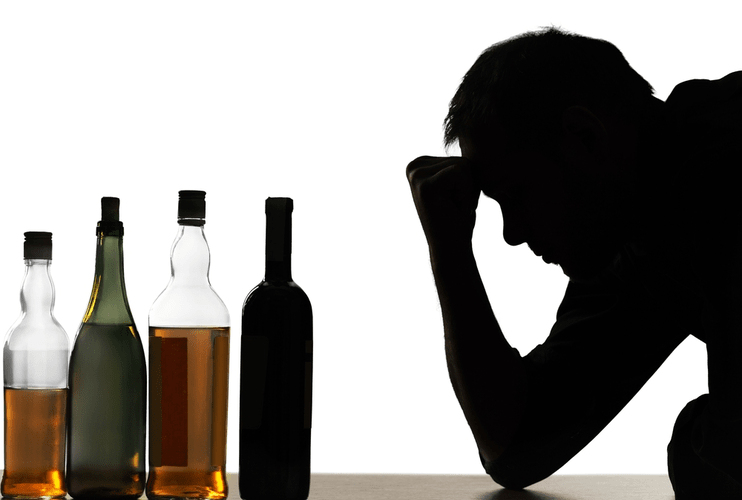
Officers with substance use disorders often work side jobs to pay for their addiction, which can worsen sleep schedules and affect their overall health. They serve several consecutive 10- to 12-hour shifts with multiple days off afterward. They deal with disorderly conduct, fatal car accidents and shootings, and they are constantly exposed to violence, distress and death. We provide integrated treatment for mental health disorders and addiction.
These fatal confrontations have led to substantial media attention and public unrest. Alcohol in particular numbs the body and emotions, providing temporary relief. Up to one-third of people report drinking problems after a traumatic event or accident, per the U.S.

A report published in The Journal of Law Enforcement found external factors, such as the attitude of the general public, affect officers physically and emotionally. William Westley, a social scientist, wrote that many officers view their relationship with the general public as their most pressing problem. Disturbing events, such as investigating a bloody crime scene, can impact an officer’s psyche. This can trigger post-traumatic stress disorder, a mental health condition that develops after a traumatic event. Police officers conduct searches, check parking meters, issue traffic tickets and carry out investigations.

Deja una respuesta